
A community-based online course with Dr. Rima Vesely-Flad and Rashid Hughes
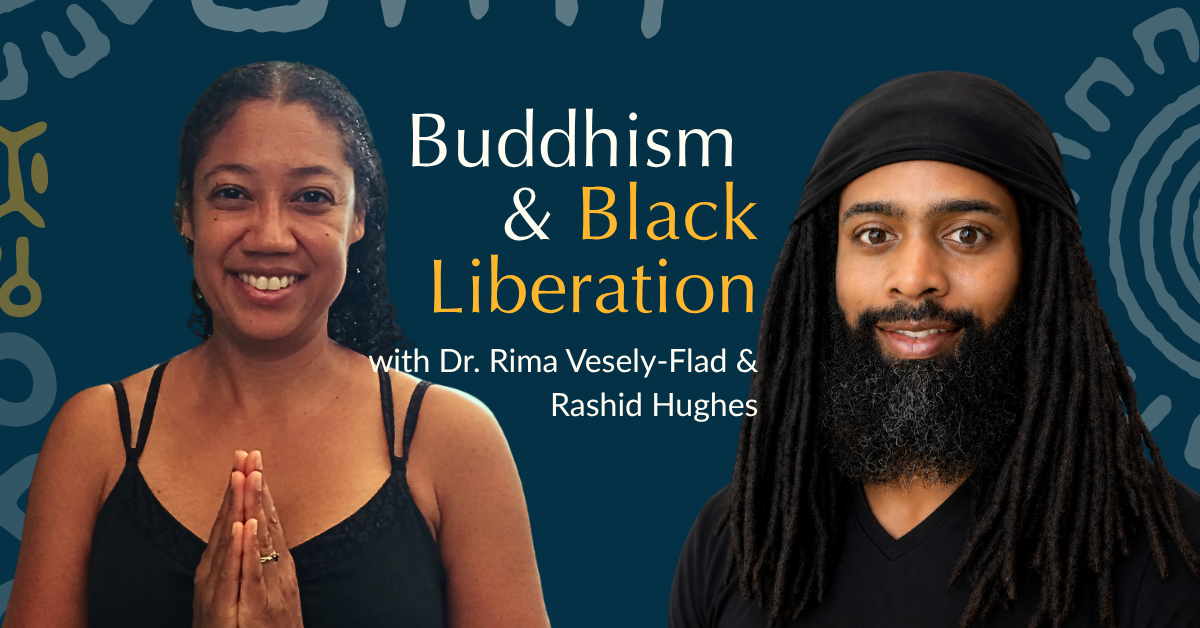
🗓️ Sundays, Oct. 11 to Nov. 15, 2026 @ 12:00pm–1:30pm ET
📍Online
Black Buddhists have always read the dharma through the lens of liberation.
For too long, Buddhism in the United States has been filtered through a dominant cultural lens that has centered whiteness and sidelined the voices of people of color — including the Asian and Asian-American teachers who brought these traditions here. Black Buddhist practitioners have always found their own way in.
This course centers their interpretations. We’ll look at how Black Buddhists have woven together the teachings of the BuddhaDharma with the Black radical tradition — not as a contradiction, but as a profound and coherent vision of freedom. Political freedom. Psychological freedom. Collective freedom.
This is for people who love the dharma and love their people. Who want both liberation and belonging.
What’s included?
Live weekly sessions on Zoom
Access to all 6 sessions with a single registration
Session recordings shared after each class
Space for reflection, grounding, and real conversation
Live attendance is welcome but not required.
About your teachers
I (Rima) am the Founding Director of the Initiative for Black Buddhist Studies and a Research Fellow at the Institute of Buddhist Studies. I am the author of The Fire Inside: The Dharma of James Baldwin and Audre Lorde (North Atlantic Books, 2026), among two other books. A twice-awarded Fulbright Scholar, I have spent my career bringing together Black radical thought, contemplative practice, and the wisdom of ancestors — and making it accessible beyond the walls of academia.
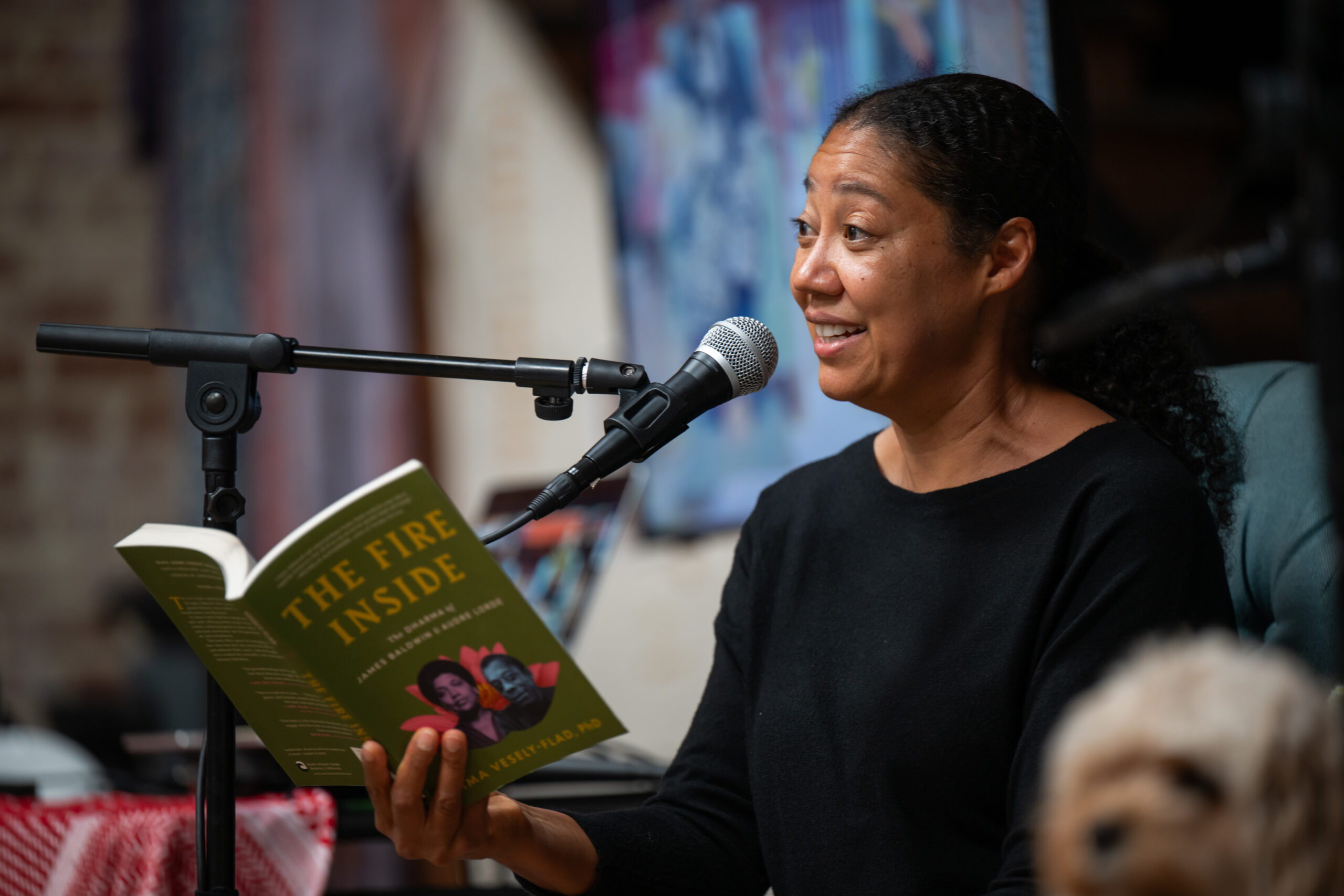
Learn about the intersections between Buddhism and Black Liberation on my Substack, Training Anger with Accuracy.
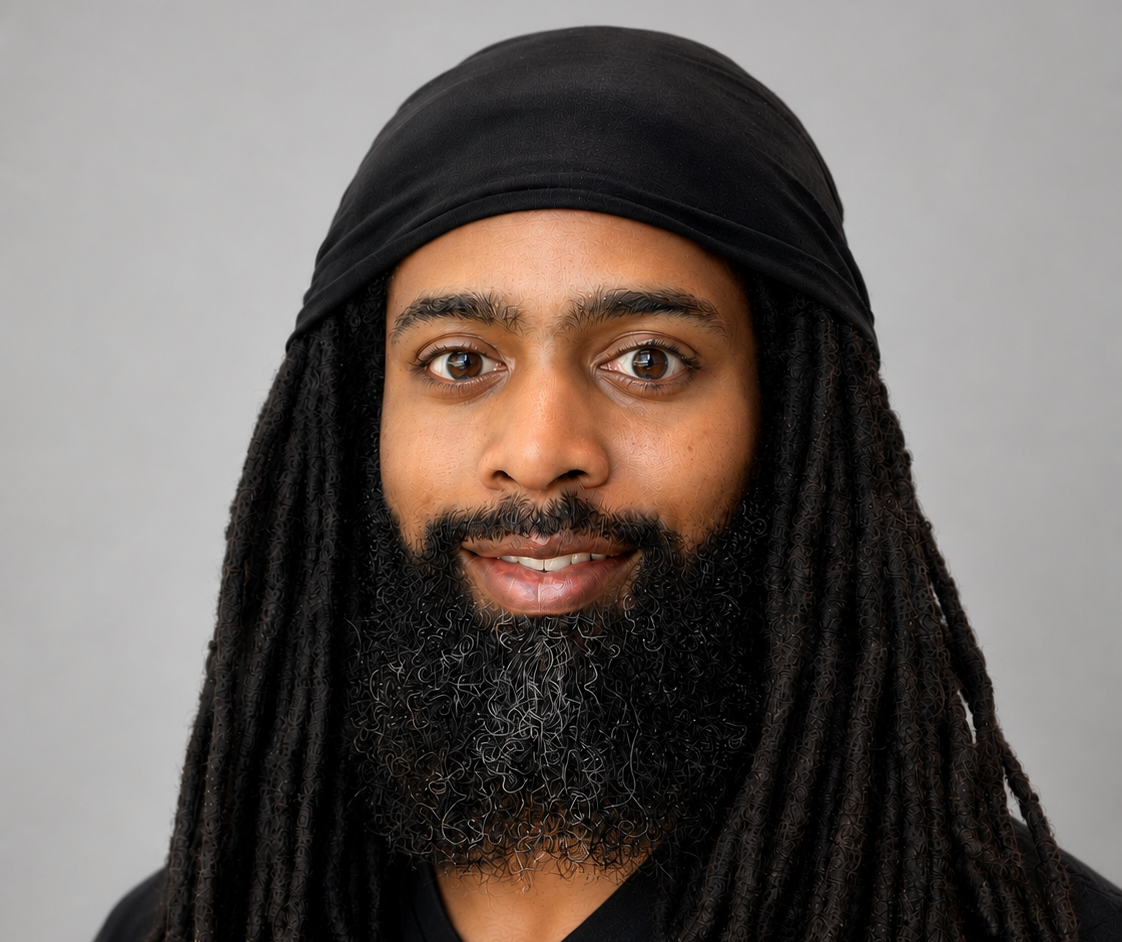
I (Rashid) am an intersectional-contemplative teacher and restorative justice facilitator. My practice involves actively envisioning a transformed world where everyone can exist free from the pain reinforced by systems of othering, domination, and disembodiment. By utilizing various contemplative practices and healing-centered ways of knowing, I assist individuals in rediscovering belonging and meaning within the unique expressiveness of their individual embodiment.
What people say
“Dr. Rima’s content is powerful and timely. But equally, if not more important for me in these times, is her attuned capacity for online group work. As someone who often struggles with virtual classes, I was put at ease. Dr. Rima has a way of using the technology to actually build trust, intimacy, and healing community over time. I found myself opting for camera-on, participating wholeheartedly, and being touched and changed not only by her teaching and embodiment, but by the group dynamics and deep sharing.“
— Jae Carey
“Rashid’s Four Pillars of R.E.S.T. Retreat was excellent in all ways. Rashid eloquently yet clearly shared pertinent insights, reminders, and perspectives for practitioners at all levels. After a day of dialogue, practice, and connection, I feel both grounded and uplifted, inspired and at ease. Rashid’s R.E.S.T. practice provides a beautiful framework for deep self acceptance, life acceptance, healing, and love. Thank you, thank you, many times over.“
— Zef
“Dr. Rima is a thoughtful, loving and heart-centered educator. She authentically embodies intellectual rigor and spiritual care at the highest level. In every class, Dr. Rima seamlessly impacts every register: heart, mind, body and soul. She is one of the most nurturing, yet profound teachers I have had the honor of learning from.”
— Steff Reed
Why Buddhism?
Buddhism gives us the perspectives and practices for investigating our minds, and helps us to connect to ancestors while decolonizing our minds from toxic narratives.
Why now?
Black people and immigrants of all backgrounds are under sustained attack from the federal government, influential think tanks, and hateful community members. We need to cultivate safe spaces to practice meditation and ancestral rituals, and meet each other with ease.
Do I have to be Buddhist?
You do not have to self-identify as Buddhist or know anything about Buddhism to participate! You do not have to self-identify as an activist. You need only come prepared for contemplative practices and community-building.
What will I learn?
Upon conclusion of the six weeks, we intend that you will have ideas and practices for taking care of yourselves and members of your families/communities. And we hope that you will have made new connections.
What makes Rima and Rashid uniquely equipped to teach on this?
A twice-awarded Fulbright Scholar, Dr. Rima Vesely-Flad spent her career bringing together Black radical thought, contemplative practice, and the wisdom of ancestors — and making it accessible beyond the walls of academia.
Rashid Hughes is an intersectional-contemplative teacher and restorative justice facilitator whose practice involves actively envisioning a transformed world where everyone can exist free from the pain reinforced by systems of othering, domination, and disembodiment. By utilizing various contemplative practices and healing-centered ways of knowing, he assists individuals in rediscovering belonging and meaning within the unique expressiveness of their individual embodiment.
What if I miss a session?
Each session’s practices will be recorded. In order to provide safety, we will not record small or large group discussions.
Is there homework?
There will be a weekly prompt with a reading for each week. Participants will be encouraged but not required to journal privately and complete the weekly readings.
Who will I be learning with?
Each week will begin with an acknowledgement and a big group practice.
Following the practice, participants can select small groups according to their self-identity. We will conclude will two large groups, one for BIPOC-identified participants, and one for white participants.